Litter Bins
modular
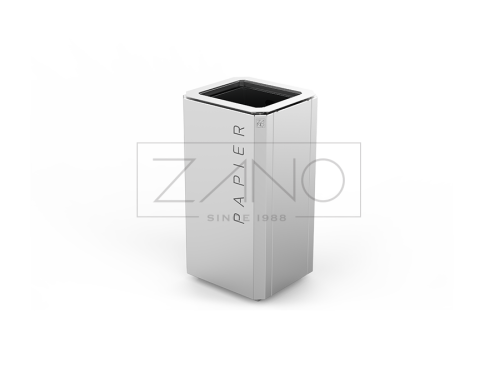
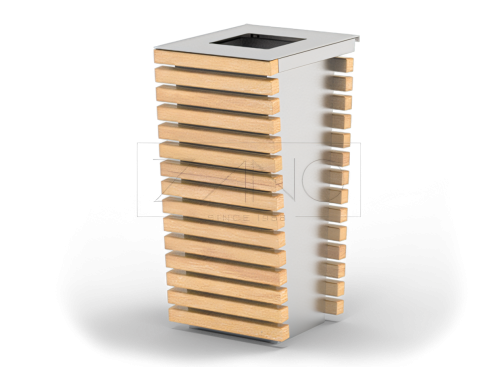
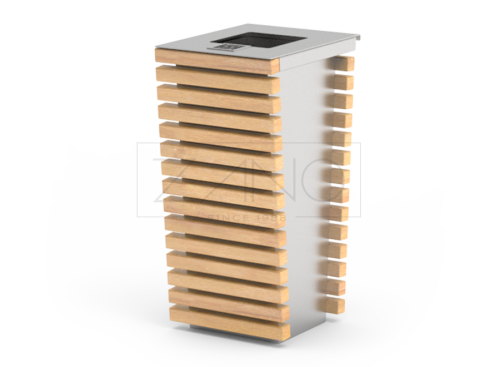
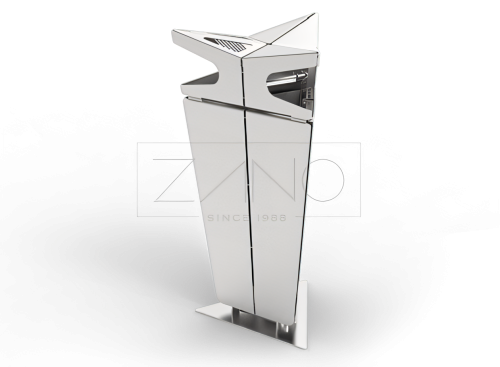
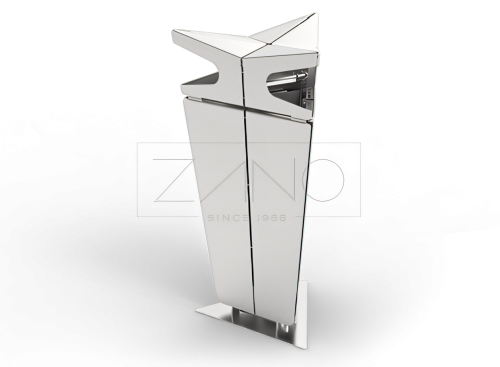
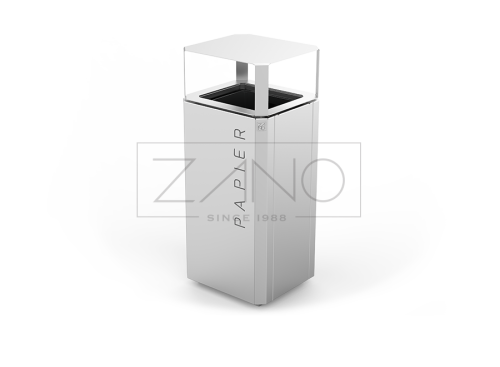
Modular litter bins represent a sophisticated solution for modern urban planning, offering unparalleled flexibility in waste management infrastructure. Designed to meet the evolving needs of contemporary public spaces, these systems allow for seamless integration into diverse environments, from bustling city centers and transportation hubs to expansive parks and corporate campuses. By adopting a modular street furniture approach, planners can configure waste collection points that perfectly align with specific site requirements, foot traffic volume, and aesthetic standards.
The structural versatility of our modular bin systems allows for the creation of multi-stream waste separation stations, promoting sustainable practices and efficient recycling initiatives within the public realm. Each module is engineered for durability, utilizing high-quality materials such as powder-coated steel, stainless steel, or architectural concrete to withstand intensive daily use and harsh weather conditions. These litter bins are built to provide long-term service life while maintaining their visual integrity in high-exposure outdoor settings.
Engineered for operational efficiency, our modular solutions prioritize both the end-user and the maintenance crew. Each unit features ergonomic access points, secure locking mechanisms, and intuitive disposal apertures that facilitate clean and sanitary waste deposit. The waste disposal system is designed with accessibility in mind, ensuring that receptacles are positioned at heights suitable for all pedestrians. Furthermore, the modular design simplifies the servicing process, allowing for rapid emptying and cleaning of individual compartments without disrupting the surrounding streetscape.
Aesthetic cohesion is a primary advantage of the modular approach. These units are designed to harmonize with existing urban furniture elements, offering a clean, minimalist profile that elevates the visual language of the public space. By utilizing a uniform design vocabulary across multiple modules, planners can create a consistent and recognizable wayfinding system for waste management. The ability to customize dimensions, configurations, and surface finishes ensures that these bins serve as both functional assets and integral components of the architectural landscape.
Strategic deployment of modular receptacles plays a critical role in maintaining high standards of urban hygiene and public order. By grouping modules to accommodate varying waste types—such as glass, paper, plastic, and general refuse—these systems encourage responsible disposal habits among city dwellers. The robust construction includes anti-vandalism features, ensuring that the public infrastructure remains secure and resilient against misuse, thereby reducing long-term maintenance costs and operational downtime for municipal entities.
Choosing a modular waste management system reflects a commitment to sustainable development and smart city integration. Beyond their core functionality, these systems are designed with modularity in mind, allowing for easy upgrades, expansion, or reconfiguration should the needs of a specific location change over time. This adaptability future-proofs the investment, ensuring that our street furniture remains a viable and effective solution for the dynamic requirements of the modern metropolis, ultimately contributing to cleaner, safer, and more organized urban environments.