Description
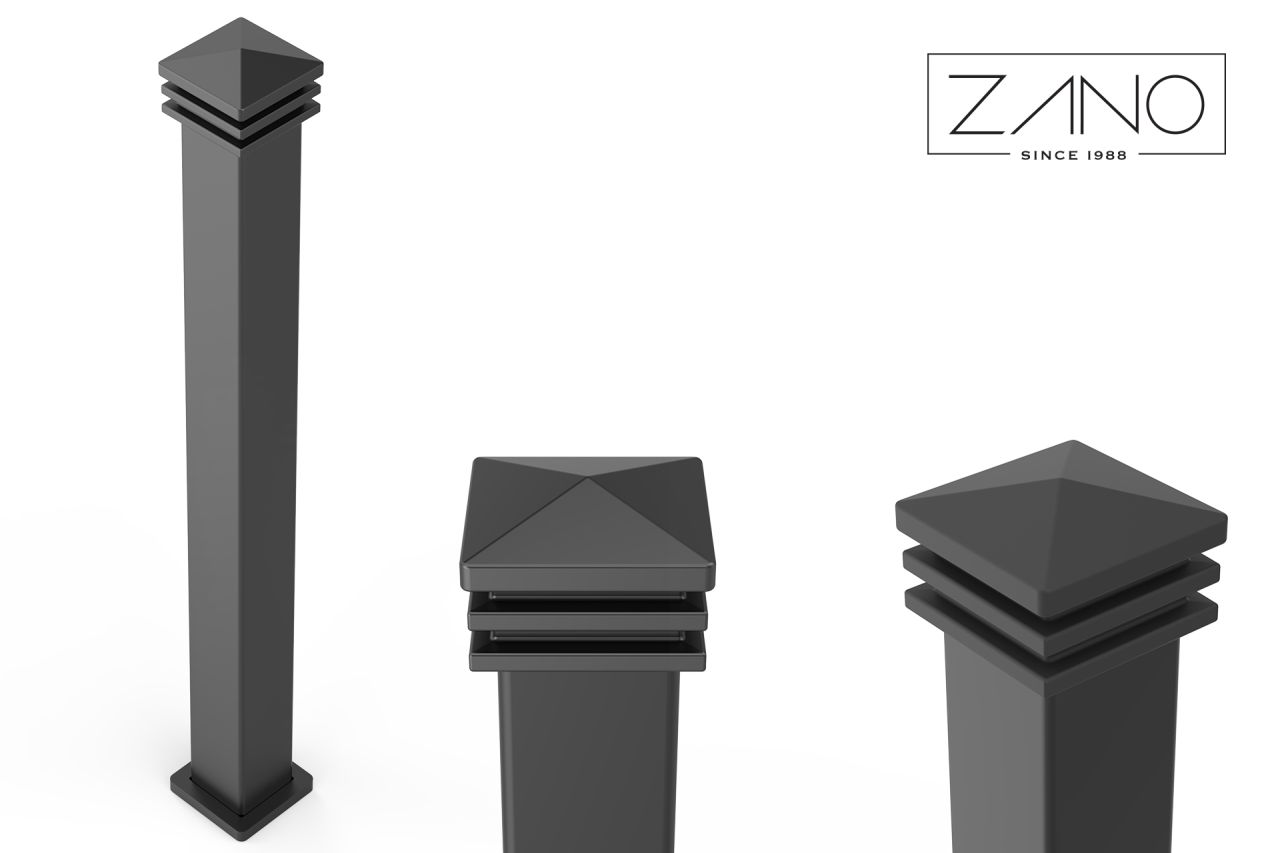
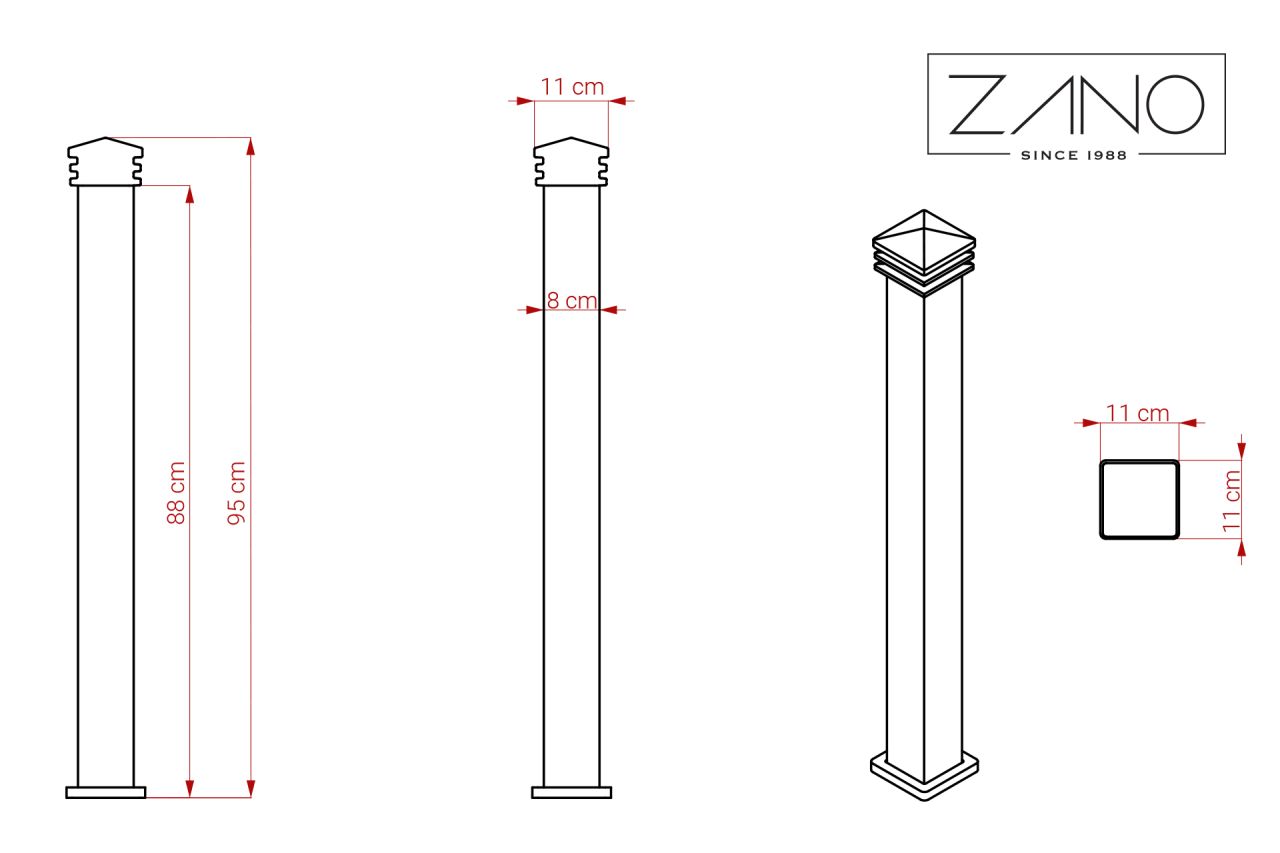
The Ting Bollard (01.084) represents a sophisticated approach to modern urban furniture, blending minimalist aesthetics with robust industrial durability. Designed by Tomasz Szpytma, this street furniture element is engineered to provide reliable access control and pedestrian protection in high-traffic public spaces. Standing at a height of 95 cm above ground level, the bollard features a slim 8 cm profile, constructed from a high-quality steel profile combined with resilient cast iron components. Its clean, geometric form ensures seamless integration into contemporary city centers, plazas, and modern architectural landscapes, where maintaining a cohesive visual language is essential.
Functionality remains at the core of the Ting system, offering extensive configuration options to suit diverse site requirements. Clients may select from various bollard handle setups, including options for single or double-sided chain attachments, which allow for the creation of perimeter barriers or controlled pathways. Furthermore, the inclusion of single or double-sided fence mounts enhances the versatility of the unit, enabling it to act as an anchor point for decorative or functional fencing systems. The structural integrity of the installation is guaranteed by the 135 cm total height design, which includes an anchoring section specifically engineered to be embedded in concrete, ensuring long-term stability and resistance to external mechanical forces.
As a critical component of the wider Ting product line, this bollard adheres to the highest standards of manufacturing precision. The use of carbon steel (S235JR) ensures that the unit can withstand the harsh conditions typical of outdoor public environments, including varying weather patterns and frequent physical contact. By prioritizing both material longevity and modular design, this piece of street furniture offers city planners and landscape architects a flexible solution for managing vehicular access and pedestrian safety. Its understated design language complements various urban settings, effectively bridging the gap between utilitarian performance and refined aesthetic presentation.