Description
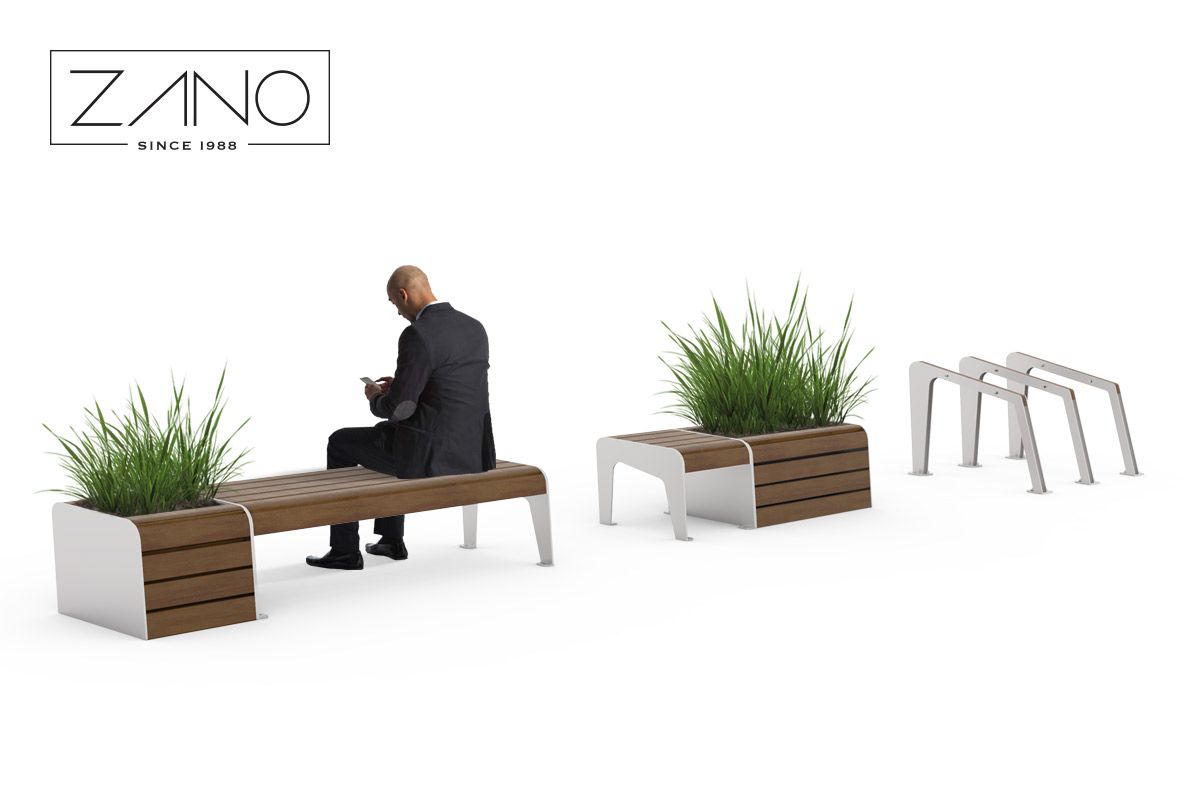
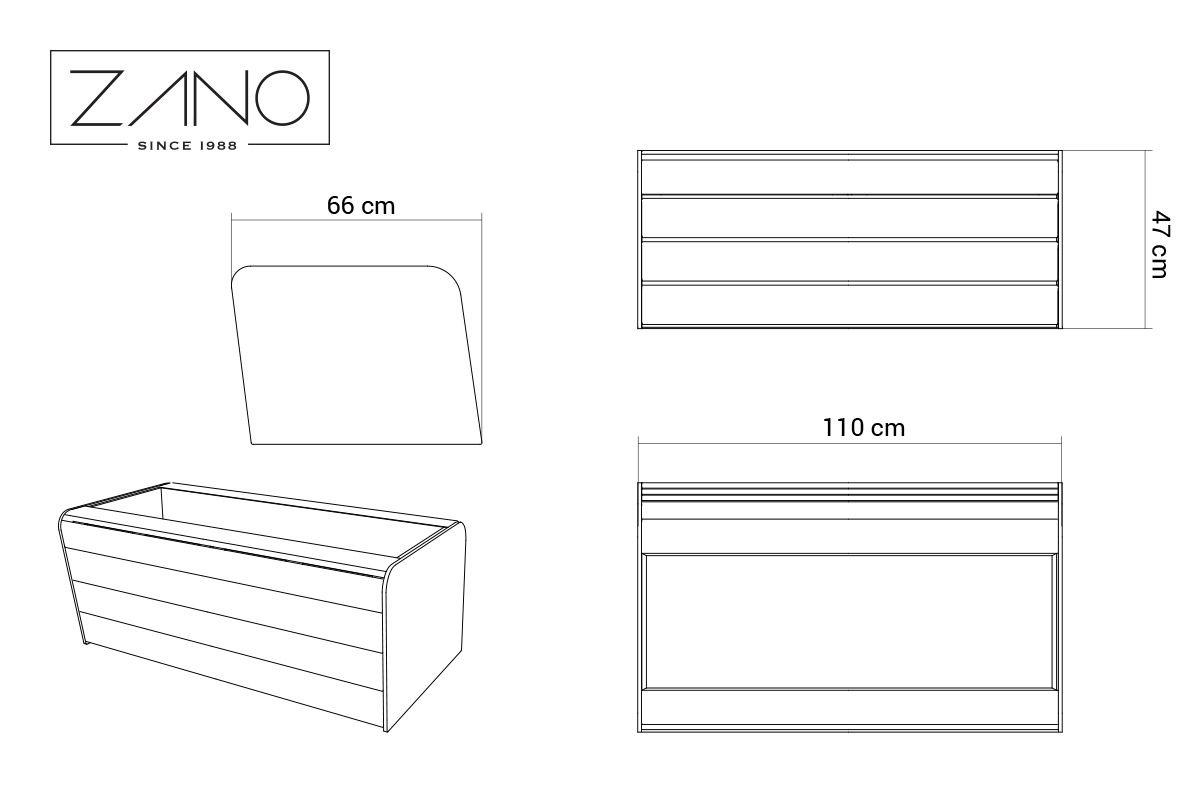
The Soft Planter (06.012.1.M), designed by Iwona Żaczek, represents a sophisticated fusion of organic aesthetics and robust engineering, making it an essential element of modern urban furniture. This rectangular planter, measuring 110 cm in length, 66 cm in width, and 47 cm in height, is meticulously crafted to integrate seamlessly into diverse public spaces, including plazas, parks, and city centers. Its low-profile, balanced silhouette provides an ideal environment for greenery while maintaining the refined visual language characteristic of the Soft product line. By prioritizing both form and function, this piece serves as a durable solution for botanical displays within high-traffic pedestrian areas, effectively softening hardscaped environments with natural elements.
Durability is at the core of the construction, with a frame available in either high-quality carbon steel (S235JR) or premium stainless steel (AISI 304), ensuring long-term resistance to environmental stressors. The exterior casing is finished with carefully selected wood options, ranging from traditional European softwood to various types of hardwood, including premium and oil-finished variations. This versatility in material selection allows the planter to be customized to match existing site aesthetics or specific design requirements. Weighing 75 kg, the unit possesses significant stability, supported further by flexible installation methods; it can be utilized as a free-standing feature or securely anchored to the foundation via bolts for permanent placement in busy public sectors.
As a critical component of contemporary street furniture, the Soft Planter is engineered to meet the rigorous demands of professional architectural projects. The integration of high-grade metals and resilient timber ensures that the unit remains a permanent fixture in the urban landscape, requiring minimal maintenance while providing maximum visual impact. Whether positioned individually or arranged in groupings, the product enhances the functionality of public corridors and recreational zones. By choosing this element, urban planners and architects ensure that their projects benefit from high-standard manufacturing quality, promoting sustainable and aesthetically pleasing urban greenery integration across diverse environments.