Options
-
Construction
- carbon steel (s235Jr)
-
Methods of installation
- attached by bolts to foundation
-
Container
- galvanized steel container
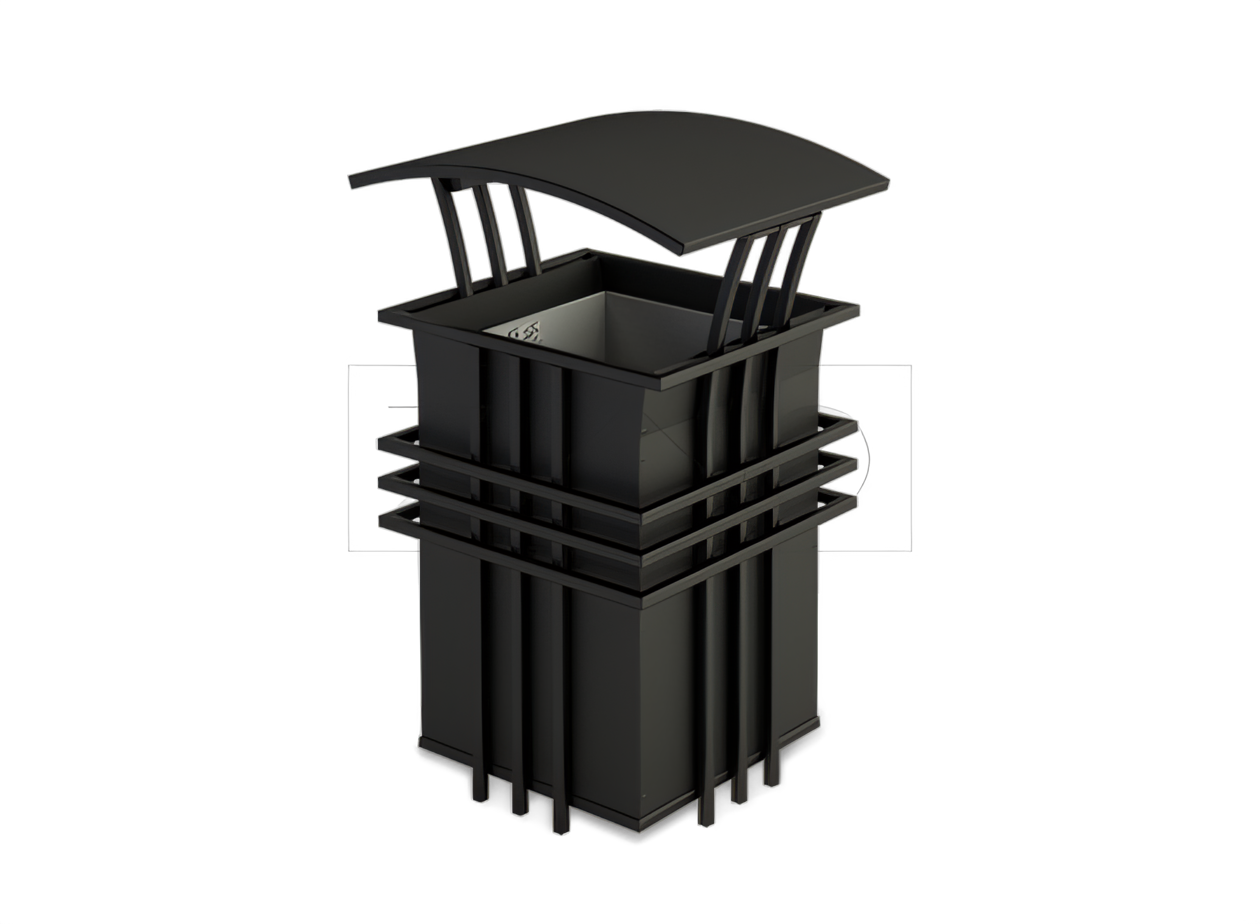
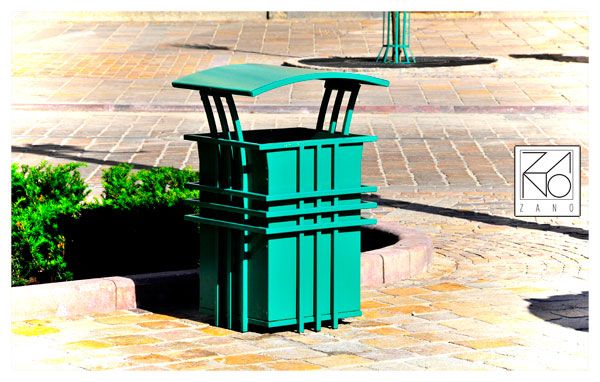
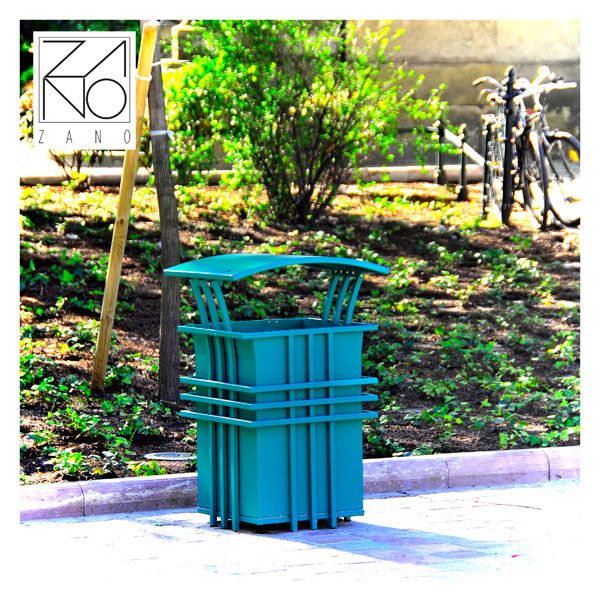
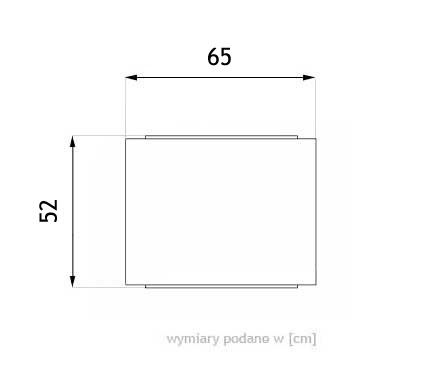
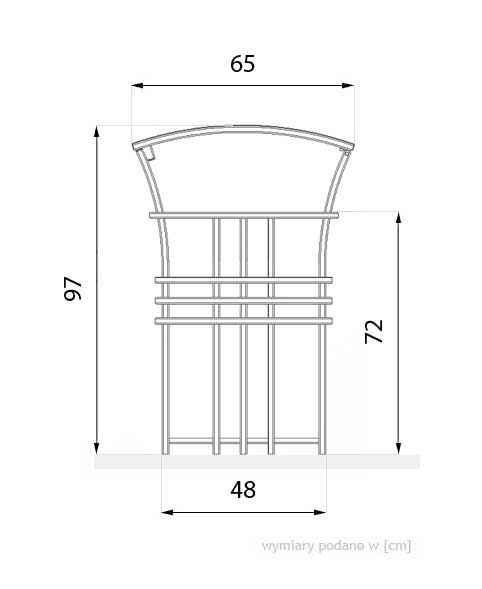
The Art Nouveau Litter Bin, identified by product number 03.040, represents a sophisticated fusion of classical aesthetics and functional durability within the realm of modern urban furniture. Designed by Tomasz Szpytma as part of the distinguished Szczepańska product line, this piece exemplifies high-quality craftsmanship suitable for historical districts, parks, and refined public spaces. With a total height of 97 cm and a width of 65 cm, the bin provides a substantial yet elegant presence. Its structural integrity is ensured by the use of high-grade carbon steel (S235Jr), which provides the robust foundation necessary for long-term outdoor service. The design language reflects a careful balance between decorative historical inspiration and the practical demands of contemporary city infrastructure.
Functionality is a core priority for this model, which features a galvanized steel container with a total capacity of 60 liters, ensuring efficient waste collection in high-traffic areas. The litter bin is constructed from a combination of durable steel profiles and precision-cut steel sheets, providing resistance to mechanical impact and adverse environmental conditions. Despite its ornate appearance, the unit is engineered for stability, offering a secure installation method via bolts fixed directly to the foundation. Weighing 40 kg, the unit remains firm and secure in its designated location, making it an ideal component for comprehensive street furniture schemes that prioritize both security and aesthetic coherence.
As part of the ZANO collection, this waste receptacle is meticulously finished to maintain its visual appeal over extended periods of use. The internal galvanized sheet metal insert allows for simple maintenance and rapid emptying, facilitating efficient municipal management. The Art Nouveau Litter Bin serves as a testament to the brand's commitment to creating public furniture that enhances the character of the surroundings while maintaining rigorous industrial standards. By integrating this model into an urban landscape, planners ensure that practical sanitation needs are met through a design that honors traditional architectural elements while serving the everyday requirements of modern city dwellers.